
Scroll to read
Archeology
Faith Is More Than Evidence—but Evidence Matters
Archaeology and Faith: Unearthing the Story of God’s Word explores how archaeological discoveries support the historical context of Scripture, strengthening confidence in the Bible and revealing God’s work through real people and places.
Archaeology and Faith: Unearthing the Story of God’s Word For many believers, faith begins with Scripture. For others, questions arise: Is the Bible historically reliable? Did these events really happen? Interestingly, archaeology—often thought of as a purely scientific discipline—has become one of the most powerful tools for illuminating the historical backdrop of the Bible. Rather than replacing faith, archaeology often strengthens it, helping us see that the biblical story is rooted in real people, real places, and real history. Archaeology: A Window Into the Biblical World Biblical archaeology is the study of ancient cultures, cities, and artifacts connected to the people and events described in Scripture. Excavations across the Middle East—particularly in Israel, Jordan, Egypt, and Mesopotamia—have uncovered inscriptions, buildings, tools, and manuscripts that align closely with the biblical record. From city gates to clay tablets, archaeology helps us understand: How ancient people lived and worshiped Political systems mentioned in Scripture Customs and laws referenced in the Bible The geographical settings of biblical narratives These discoveries do not prove faith—but they corroborate the historical context in which faith was lived.
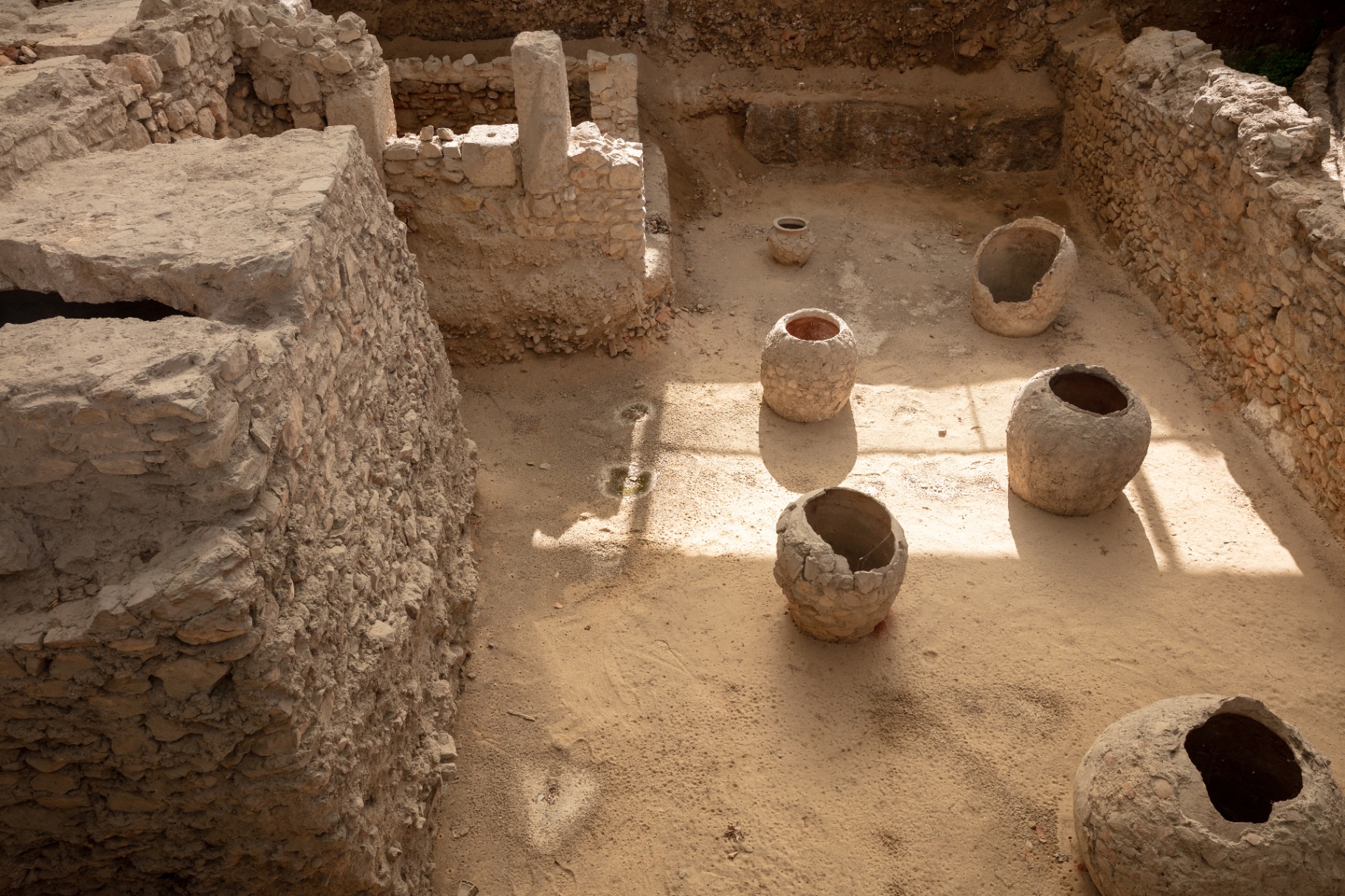
Discoveries That Echo Scripture
📜 The Dead Sea Scrolls Discovered between 1947 and 1956, the Dead Sea Scrolls contain some of the oldest known copies of Old Testament books. Their remarkable consistency with modern biblical texts demonstrates how faithfully Scripture has been preserved over centuries. This discovery reassures believers that the Bible we read today reflects the same message read by ancient communities of faith.
🏛️ Ancient Cities and Kings Archaeological findings have confirmed the existence of cities and leaders once questioned by critics, such as: Jericho, with evidence of ancient fortifications Nineveh, the Assyrian capital referenced in the book of Jonah Inscriptions referencing King David, affirming his place in history These discoveries remind us that biblical narratives were not written in isolation or myth, but in real historical settings. Faith Is More Than Evidence—but Evidence Matters Christian faith is ultimately relational—centered on trust in God, not artifacts. Jesus Himself said, “Blessed are those who have not seen and yet have believed” (John 20:29). Yet archaeology plays an important role: It removes unnecessary barriers to belief It addresses honest questions and doubts It shows that faith and reason are not enemies Archaeology does not replace the Holy Spirit, but it can prepare hearts to listen. Archaeology and the Seventh-day Adventist Perspective Seventh-day Adventists have long valued education, history, and thoughtful engagement with Scripture. Archaeology aligns well with this approach by encouraging careful study while upholding the authority of the Bible. Rather than fearing questions, we are invited to explore them—confident that truth, whether revealed through Scripture or discovered through history, ultimately points back to God. Unearthing Faith for Today Every shard of pottery, every inscription, and every ancient manuscript tells a story—not just of the past, but of God’s ongoing work with humanity. Archaeology reminds us that our faith is not disconnected from history. It is woven into it. As we dig into the earth, we are also invited to dig deeper into Scripture—discovering anew that the God who acted in history is still active today. “The works of the Lord are great, studied by all who have pleasure in them.” — Psalm 111:2
Images
